

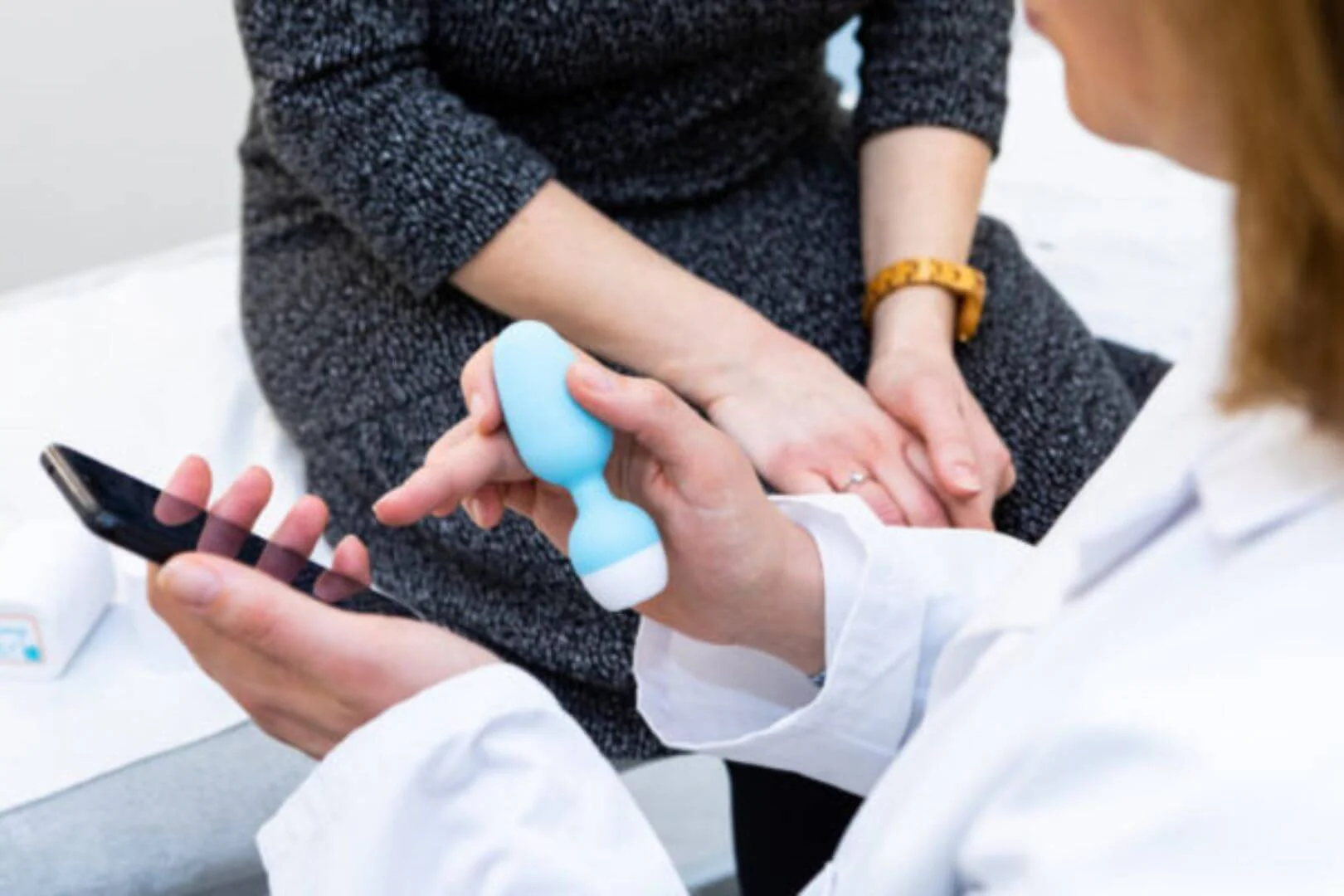
Pelvic health is an important part of women’s overall wellness, affecting physical comfort, mobility, confidence, bladder control, reproductive health, and quality of life. The pelvic region contains muscles, nerves, connective tissues, and organs that work together to support essential body functions. When these structures become weak, tense, or affected by different conditions, women may experience discomfort and changes that impact daily activities.
Medical pelvic health solutions have developed significantly in recent years, offering women a wide range of approaches for prevention, rehabilitation, symptom management, and recovery. Modern solutions include pelvic floor therapy, biofeedback training, medical devices, pain management techniques, and personalized healthcare plans.
Many women experience pelvic health challenges after pregnancy, childbirth, aging, hormonal changes, surgery, or certain medical conditions. With proper understanding and professional guidance, pelvic health problems can often be managed effectively.
This article explains medical pelvic health solutions and how they support women’s wellness, recovery, comfort, and long term intimate health.
Understanding Women’s Pelvic Health
The pelvic floor is a group of muscles and tissues located at the bottom of the pelvis. These muscles provide support for pelvic organs and contribute to several important functions.
The pelvic floor helps with:
Bladder control.
Bowel control.
Pelvic organ support.
Sexual function.
Core stability.
Healthy movement.
When pelvic floor muscles work properly, they contract and relax at the right time. Problems can occur when these muscles become weak, overly tight, injured, or poorly coordinated.
Pelvic health concerns may include:
Urinary incontinence.
Pelvic organ prolapse.
Pelvic pain.
Muscle tension.
Discomfort during intimacy.
Postpartum changes.
Understanding these conditions is the first step toward finding suitable solutions.
Common Causes of Pelvic Health Problems
Pelvic health issues can develop for many different reasons.
Pregnancy and Childbirth
Pregnancy places increased pressure on pelvic muscles and supporting tissues. During childbirth, these structures may experience stretching or stress.
Possible postpartum concerns include:
Pelvic muscle weakness.
Urinary leakage.
Changes in pelvic support.
Pain or discomfort.
Recovery programs can help women restore strength and function after birth.
Aging and Hormonal Changes
Hormonal changes throughout life can influence pelvic tissues.
During menopause, reduced estrogen levels may affect:
Tissue elasticity.
Moisture levels.
Comfort.
Muscle function.
Appropriate medical support can help women manage these changes. Stay updated with useful insights and educational materials by visiting https://www.pelvicare.eu/en/blog.html for ongoing pelvic health information.
Lifestyle Factors
Certain lifestyle factors may contribute to pelvic floor problems.
These may include:
Chronic constipation.
Heavy physical strain.
Lack of exercise.
Poor posture.
Excessive pressure on pelvic muscles.
Healthy lifestyle choices can support better pelvic function.
Medical Conditions and Surgery
Some medical conditions or procedures may affect pelvic health.
Examples include:
Pelvic surgery.
Neurological conditions.
Chronic inflammation.
Injuries.
Medical evaluation helps identify the cause and determine the most effective treatment approach.
Pelvic Floor Rehabilitation as a Modern Solution
Pelvic floor rehabilitation is one of the most important approaches in modern pelvic healthcare.
It focuses on improving muscle strength, relaxation, coordination, and awareness.
A pelvic health specialist may create a personalized program that includes:
Muscle exercises.
Relaxation techniques.
Manual therapy.
Movement training.
Education about pelvic function.
The goal is to restore balanced pelvic muscle activity.
Pelvic Floor Muscle Training
Pelvic floor muscle training helps women strengthen and control these important muscles.
Regular training may support:
Improved bladder control.
Better pelvic support.
Enhanced muscle awareness.
Improved confidence.
However, correct technique is essential. Performing exercises incorrectly may not provide the desired results.
Professional guidance can help women learn how to activate and relax pelvic muscles properly.
Biofeedback Technology for Pelvic Rehabilitation
Biofeedback is an advanced method used to improve awareness of pelvic muscle activity.
During biofeedback training, specialized devices measure muscle responses and provide information to the user.
Benefits may include:
Understanding muscle contractions.
Improving exercise accuracy.
Monitoring progress.
Creating personalized rehabilitation plans.
Pressure biofeedback vaginal probes are one example of technology used in pelvic floor training programs.
Medical Pelvic Therapy Devices
Modern pelvic healthcare includes different medical devices designed to support rehabilitation and comfort.
These devices may assist with:
Muscle training.
Pain management.
Pelvic support.
Recovery programs.
Examples include:
Pelvic floor trainers.
Vaginal biofeedback probes.
Pelvic wands.
Electrical stimulation devices.
Medical pessaries.
Each device serves a specific purpose and should be selected based on individual needs.
Vaginal Biofeedback Probes for Muscle Training
Vaginal biofeedback probes are designed to help evaluate pelvic muscle activity.
These devices may measure pressure changes or muscle responses during contraction exercises.
They can support women by providing:
Better understanding of muscle function.
Improved exercise performance.
More structured rehabilitation.
Progress tracking.
Correct use and hygiene practices are important when using these devices.
Pelvic Wands for Muscle Relaxation and Therapy
Pelvic wands are flexible therapeutic tools used to support pelvic muscle relaxation.
They may help women who experience pelvic muscle tension or discomfort.
Potential benefits include:
Supporting muscle release.
Improving awareness of tight areas.
Encouraging relaxation.
Supporting therapeutic routines.
Pelvic wands should be used carefully and according to appropriate guidance.
Electrical Stimulation and TENS Therapy
Electrical stimulation devices use controlled electrical impulses to support pelvic rehabilitation or pain management.
TENS therapy is a common non invasive method that uses electrical signals through skin electrodes.
It may help by:
Influencing pain signals.
Supporting natural pain relief responses.
Reducing discomfort.
Encouraging relaxation.
Electrical stimulation should be used according to instructions and professional recommendations.
Pessary Therapy for Pelvic Support
Pessaries are medical devices designed to support pelvic organs.
They are commonly used for conditions such as pelvic organ prolapse and certain urinary concerns.
Different types of pessaries include:
Ring pessaries.
Cube pessaries.
Support pessaries.
The correct size and type should be selected by a qualified healthcare provider.
Pessary therapy can provide a non surgical option for many women.
Managing Pelvic Organ Prolapse
Pelvic organ prolapse occurs when pelvic organs move downward because supporting tissues become weaker.
Symptoms may include:
Pelvic pressure.
Feeling of heaviness.
Urinary problems.
Discomfort during movement.
Modern management options may include:
Pelvic floor therapy.
Lifestyle changes.
Pessary support.
Surgical treatment when necessary.
Treatment depends on symptom severity and individual health needs.
Managing Urinary Incontinence
Urinary incontinence is a common pelvic health concern.
It may occur due to:
Weak pelvic muscles.
Pregnancy.
Aging.
Hormonal changes.
Certain medical conditions.
Pelvic health solutions may include:
Pelvic floor exercises.
Bladder training.
Lifestyle adjustments.
Medical devices.
Professional treatment plans.
Improved bladder control can increase confidence and independence.
Pain Management for Pelvic Health
Pelvic pain can involve muscles, nerves, tissues, and emotional factors.
Effective pain management requires understanding the source of discomfort.
Treatment approaches may include:
Physical therapy.
Relaxation methods.
Pain education.
Medical treatments.
Lifestyle improvements.
TENS therapy and other non invasive approaches may provide additional support for some individuals.
Supporting Recovery After Childbirth
Postpartum pelvic recovery is an important part of women’s healthcare.
After childbirth, women may benefit from:
Pelvic muscle assessment.
Strengthening programs.
Relaxation exercises.
Recovery guidance.
Early attention to pelvic health can help prevent long term problems.
Advantages of Modern Pelvic Health Solutions
Improved Comfort
Modern treatments help reduce discomfort by addressing the underlying causes of pelvic problems.
Personalized Care
Healthcare providers can create treatment plans based on individual symptoms and goals.
Non Surgical Options
Many pelvic health solutions support conservative approaches before surgery is considered.
Better Muscle Awareness
Technology such as biofeedback helps women understand and improve pelvic muscle function.
Improved Quality of Life
Managing pelvic health problems can improve confidence, mobility, and daily comfort.
Better Long Term Wellness
Consistent pelvic care supports healthy function throughout different life stages.
Importance of Choosing Safe Medical Products
When selecting pelvic health products, safety and quality are essential.
Important factors include:
Medical grade materials.
Comfortable design.
Proper instructions.
Suitable application.
Reliable manufacturing standards.
Medical silicone is commonly used in pelvic therapy products because of its smooth texture, flexibility, and compatibility with the body.
Hygiene and Safety Considerations
Proper hygiene is essential when using pelvic therapy devices.
Important practices include:
Cleaning products according to instructions.
Using recommended cleaning methods.
Storing devices properly.
Checking products before use.
Avoiding use when experiencing unexplained symptoms.
Professional advice should be obtained if discomfort or unusual symptoms occur.
Creating a Complete Pelvic Wellness Routine
Pelvic health is supported by a combination of different habits.
A complete wellness approach may include:
Regular pelvic exercises.
Healthy movement.
Balanced nutrition.
Stress management.
Proper hydration.
Medical checkups when needed.
Consistent care supports long term pelvic function.
When to Seek Professional Support
Women should consult a healthcare professional if they experience:
Persistent pelvic pain.
Urinary leakage.
Symptoms of prolapse.
Pain during intimacy.
Unexplained discomfort.
Difficulty performing pelvic exercises.
Early support can help identify problems and improve treatment outcomes.
Medical pelvic health solutions provide women with effective options for improving wellness, recovery, comfort, and quality of life. From pelvic floor rehabilitation and biofeedback technology to medical devices and pain management approaches, modern healthcare offers many ways to support pelvic function.
Every woman’s pelvic health journey is different, which is why personalized care is essential. Choosing appropriate solutions, following professional guidance, and maintaining healthy habits can help women achieve better pelvic strength, comfort, and confidence.
With continued advancements in urogynecology and rehabilitation technology, women now have more opportunities to manage pelvic health concerns and maintain overall wellbeing throughout every stage of life.
