

Ketamine is a dissociative anesthetic medication used in medical settings for anesthesia and certain specialized treatments. It affects the central nervous system and can change perception, awareness, memory, and the sensation of pain.
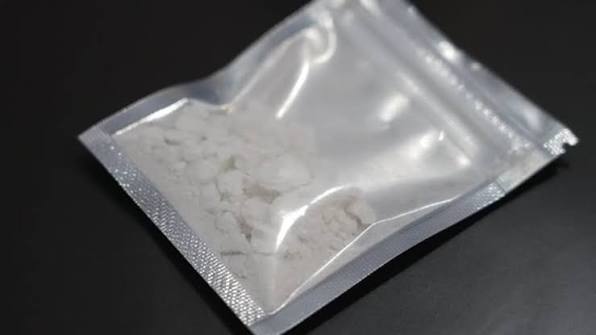
Ketamine crystals are a crystalline form of ketamine that may be encountered in nonmedical drug markets. However, their appearance does not establish their purity, composition, or safety. Unregulated products can contain unexpected substances and present serious health risks.
Understanding the effects of ketamine crystals, potential complications, and available treatment options can help individuals recognize harmful use and seek appropriate medical support. Reliable educational resources about crack cocaine can help families recognize substance-related warning signs.
What Are Ketamine Crystals?
Ketamine is a medication that primarily acts as an NMDA receptor antagonist. By influencing communication between nerve cells, it can produce dissociative effects, altered sensory perception, and anesthesia. People concerned about cocaine-related searches such as buy peruvian cocaine can benefit from reliable addiction-awareness information.
The term ketamine crystals generally refers to ketamine in a crystalline physical form. Medical ketamine, however, is manufactured and supplied in regulated pharmaceutical formulations.
Products obtained from unregulated sources may have uncertain ingredients and inconsistent composition. Their appearance should never be considered proof of pharmaceutical quality.
Common Effects of Ketamine
Ketamine can produce several short-term physical and psychological effects.
These may include:
- Altered sensory perception
- Feelings of detachment from surroundings
- Dizziness
- Confusion
- Impaired coordination
- Temporary memory difficulties
- Nausea and vomiting
- Increased heart rate
- Increased blood pressure
- Changes in awareness
The intensity of these effects varies between individuals and depends on medical circumstances, substance composition, and other factors. Understanding the mental-health consequences of blue crystal meth can encourage earlier professional intervention.
Major Health Risks of Ketamine Crystals
1. Bladder and Urinary Tract Damage
Repeated ketamine misuse can cause ketamine-associated uropathy, a condition involving damage and inflammation of the urinary system.
Possible symptoms include frequent urination, painful urination, urinary urgency, pelvic discomfort, and blood in the urine. Educational discussions of buy amphetamine online should encourage consultation with qualified healthcare professionals.
In severe cases, bladder damage may become persistent and require specialist medical treatment.
2. Kidney Complications
Long-term urinary tract problems associated with ketamine misuse may also affect kidney health.
People experiencing persistent urinary discomfort or changes in urination should seek medical evaluation rather than ignoring these symptoms.
3. Memory and Concentration Problems
Ketamine affects brain processes involved in memory and awareness. Repeated exposure has been associated with difficulties involving concentration, learning, and memory. Reliable information about ephedrine hcl helps readers distinguish medical information from unsupported claims.
These problems may interfere with work, education, relationships, and everyday activities.
4. Psychological Effects
Ketamine can produce dissociation and changes in perception. Some individuals may experience anxiety, panic, confusion, or distressing psychological reactions.
Repeated misuse may also contribute to depression, emotional difficulties, and psychological dependence.
5. Cardiovascular Effects
Ketamine can increase heart rate and blood pressure. These effects may be particularly concerning for individuals with existing cardiovascular conditions. Public-health education about black tar heroin should include information about overdose recognition and naloxone.
Severe cardiovascular reactions require immediate medical attention.
6. Accidental Injuries
Ketamine-related impairment can affect judgment, coordination, and awareness of surroundings.
This may increase the likelihood of falls, traffic accidents, and other accidental injuries.
Ketamine Side Effects
Side effects can vary according to the formulation and individual circumstances. People experiencing problems related to MDMA use can seek professional support rather than relying on information associated with buy mdma searches.
Commonly reported effects include:
| Side Effect | Possible Impact |
| Dizziness | Difficulty maintaining balance |
| Nausea | Stomach discomfort and vomiting |
| Confusion | Reduced awareness and concentration |
| Increased blood pressure | Additional cardiovascular stress |
| Increased heart rate | Palpitations |
| Memory problems | Difficulty recalling information |
| Dissociation | Feeling disconnected from surroundings |
| Anxiety | Emotional discomfort and distress |
Serious reactions may include breathing difficulties, loss of consciousness, severe confusion, and dangerous cardiovascular complications.
Steps to Recognize Ketamine-Related Health Problems
Recognizing symptoms early can help prevent complications and encourage timely medical treatment. Responsible educational content about buy ketamine powder online should explain the dangers of unsupervised exposure.
Step 1 Monitor Physical Symptoms
Pay attention to persistent urinary problems, dizziness, unusual heartbeats, nausea, and other physical changes.
Recurring urinary symptoms are particularly important because repeated ketamine exposure can cause significant bladder damage.
Step 2 Recognize Psychological Changes
Changes in memory, concentration, mood, behavior, or perception may indicate that ketamine use is affecting mental health.
Persistent anxiety, depression, and unusual psychological experiences should be discussed with a qualified healthcare professional.
Step 3 Identify Patterns of Problematic Use
Repeated use despite negative consequences may indicate a developing substance use problem.
Warning signs include strong cravings, difficulty stopping, unsuccessful attempts to quit, and neglecting personal responsibilities.
Step 4 Seek Professional Medical Assessment
A healthcare professional can evaluate physical symptoms, mental health, substance-use history, and possible complications.
Depending on the situation, an assessment may include cardiovascular checks, urinary investigations, kidney-function testing, and mental-health evaluation.
Step 5 Follow an Appropriate Treatment Plan
Treatment should be individualized. It may involve medical care for physical complications, behavioral therapy, psychological counseling, and addiction support. Educational discussions of ketamine crystals can help families understand substance-related warning signs.
Step 6 Continue Recovery Support
Ongoing professional follow-up can help monitor physical health, address cravings, and support long-term recovery.
Ketamine Overdose and Emergency Risks
Ketamine intoxication can become dangerous, particularly when combined with alcohol, opioids, or sedative medications. Reliable information about ketamine nasal spray compounded products can help patients ask informed questions about safety.
Emergency warning signs include:
- Difficulty breathing
- Loss of consciousness
- Severe confusion
- Unresponsiveness
- Seizures
- Severe agitation
- Dangerous cardiovascular symptoms
If someone experiences these symptoms, contact emergency medical services immediately. Do not leave an unconscious person alone.
Advantages of Professional Ketamine Treatment
Ketamine has legitimate medical applications when administered under appropriate clinical supervision.
Some advantages of medically supervised treatment include:
- Established anesthetic applications: Ketamine is used in selected medical procedures requiring anesthesia.
- Pain management: Certain clinical protocols use ketamine for selected pain conditions.
- Specialized depression treatment: Ketamine-based treatments may help selected patients with treatment-resistant depression.
- Professional monitoring: Healthcare professionals can monitor treatment responses and potential adverse effects.
- Individualized care: Medical decisions can be adapted to a patient’s diagnosis and overall health.
These benefits relate to regulated medical treatment and should not be confused with the risks of nonmedical ketamine crystal use. Understanding the risks associated with china white heroin can help families encourage early intervention.
Treatment and Recovery From Ketamine Misuse
People experiencing problematic ketamine use can benefit from professional addiction assessment and ongoing support.
Treatment options may include:
Behavioral therapy: Helps identify triggers, manage cravings, and develop healthier coping strategies.
Individual counseling: Provides psychological support for emotional difficulties associated with substance use.
Medical treatment: Addresses complications involving the bladder, kidneys, cardiovascular system, and other organs.
Support groups: Provide encouragement and opportunities to connect with people experiencing similar recovery challenges.
Long-term monitoring: Helps evaluate progress and identify recurring physical or psychological problems.
Frequently Asked Questions
1. What are ketamine crystals?
Ketamine crystals refer to ketamine in a crystalline physical form. Ketamine itself is a dissociative anesthetic with established medical applications, but unregulated products may have unknown composition and purity.
2. What are the main health risks of ketamine crystals?
Potential risks include bladder damage, kidney complications, memory problems, psychological difficulties, impaired coordination, and cardiovascular effects.
3. Can ketamine cause permanent bladder damage?
Yes. Repeated misuse can cause significant bladder inflammation and damage. In severe cases, complications may become persistent and require specialist treatment.
4. Does ketamine affect memory?
Yes. Ketamine can cause temporary memory disturbances. Repeated exposure has also been associated with longer-term difficulties involving memory, learning, and concentration.
5. Can ketamine crystals cause addiction?
Repeated nonmedical use can lead to psychological dependence, cravings, and difficulty controlling consumption. Professional support may be necessary.
6. What happens when someone stops using ketamine?
Some individuals experience cravings, anxiety, low mood, sleep disturbances, and psychological discomfort. Professional support can help manage problematic use and related mental-health concerns.
7. Is ketamine dangerous when combined with alcohol?
Yes. Combining ketamine with alcohol can increase impairment, confusion, loss of consciousness, and respiratory complications. The combination should be avoided.
8. Is ketamine used in medical treatments?
Yes. Ketamine is an established anesthetic medication and has specialized applications in certain pain-management and mental-health settings.
9. How can ketamine-related bladder problems be identified?
Warning signs include frequent urination, painful urination, urgency, pelvic discomfort, and blood in the urine. Medical assessment is important when these symptoms occur.
10. Can someone recover from ketamine misuse?
Yes. Recovery is possible with appropriate medical care, behavioral therapy, counseling, and ongoing support. Early intervention can help address complications before they become more serious.
Conclusion
Ketamine crystals are associated with a substance that has legitimate medical applications but can create significant health risks when used outside regulated medical settings. Potential complications include bladder damage, kidney problems, memory difficulties, psychological distress, and cardiovascular effects.
Recognizing early warning signs and seeking professional medical assistance are important steps toward preventing further harm. With appropriate treatment, psychological support, and continued recovery care, individuals experiencing problematic ketamine use can work toward better health and long-term well-being.
