

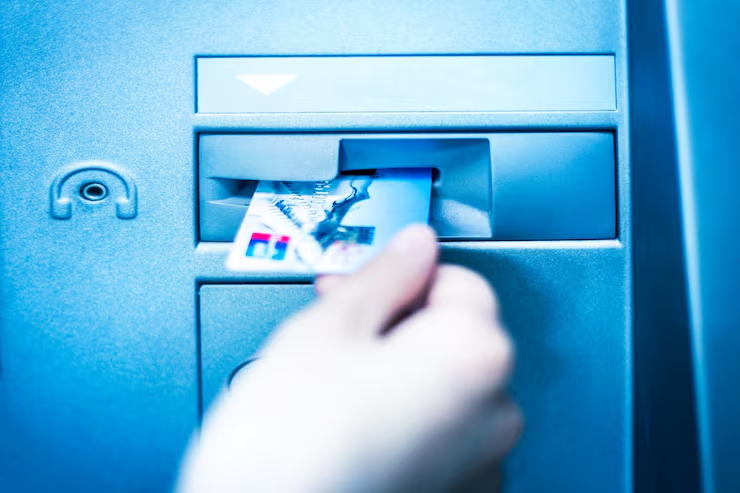
Card cashing generally refers to methods of accessing cash through available credit on a payment card. For users who are unfamiliar with the process, it is important to understand how different options work and what costs and obligations may be involved.
The exact process varies according to the card issuer, financial institution, service provider, and local regulations. The following steps provide general information for evaluating card cashing options.
Step 1 Understand Card Cashing
The first step is to understand what card cashing means. In general, it involves accessing funds through available credit rather than using the card only for ordinary purchases.
An authorized cash advance is one example. Other arrangements may involve third party services and can be subject to additional restrictions.
Step 2 Check Your Available Credit
Review your current card balance and available credit before considering any transaction.
Remember that accessing additional funds through credit reduces the amount available for future purchases and increases the amount that must eventually be repaid.
Step 3 Review Your Card Agreement
Read the terms provided by your card issuer.
Look for information about cash advances, transaction limits, fees, interest rates, repayment requirements, and prohibited transactions. If the terms are unclear, contact the card issuer for clarification.
Step 4 Identify an Authorized Option
Consider options that are clearly permitted by the card issuer and applicable financial regulations.
An authorized cash advance may be available through an ATM, bank, or another approved channel. Other financial products may also provide access to funds under separate terms.
Step 5 Compare the Costs
Before completing a transaction, compare all applicable costs.
These may include cash advance fees, transaction charges, service fees, interest, and other expenses. Focus on the total amount that will need to be repaid rather than only the amount received.
Step 6 Check the Interest Conditions
Determine the interest rate and when interest begins accumulating.
Cash advances can have different interest conditions from ordinary card purchases. Understanding these conditions can help you estimate the actual cost of accessing funds.
Step 7 Verify Third Party Providers
If a third party service is involved, investigate the provider carefully.
Look for clear information about its business identity, pricing, terms, privacy practices, customer support, and transaction procedures. Avoid providers that do not clearly explain important conditions.
Step 8 Confirm Legal Requirements
Card cashing practices can be regulated differently in different jurisdictions.
Before proceeding with a particular method, confirm that it complies with applicable laws and does not violate the terms of the card agreement.
Step 9 Protect Your Financial Information
Card transactions involve sensitive information.
Only provide necessary information through secure and appropriate channels. Never share passwords, personal identification numbers, verification codes, or other authentication credentials with an untrusted party.
Step 10 Understand Repayment
Once credit is used to obtain funds, the resulting balance generally needs to be repaid.
Check the payment due date, minimum payment requirements, interest calculation, and consequences of late payments. Consider your repayment ability before accessing additional credit. The site discusses 신용카드 현금화 and explains factors users should understand before considering a service.
Step 11 Consider Credit Utilization
Using additional credit can increase your credit utilization.
A significant increase in utilization may affect a person’s credit profile depending on the applicable credit reporting system and individual circumstances. This is another factor to consider before using available credit.
Step 12 Compare Alternative Financial Options
Card cashing is not the only potential source of short term funds.
Depending on individual circumstances, users may compare authorized cash advances, regulated personal loans, approved credit facilities, or other legitimate financial options.
Compare the total cost, repayment period, fees, and conditions before making a decision.
Important Considerations
Card cashing can provide access to funds, but it is not free money. Credit obtained through a card normally creates a repayment obligation.
Users should pay particular attention to fees, interest, card issuer restrictions, provider transparency, legal requirements, privacy, and their ability to repay the balance.
Conclusion
Understanding how card cashing works begins with reviewing available credit and identifying an authorized option. Users should then examine fees and interest, verify applicable rules, protect financial information, and establish a realistic repayment plan.
Carefully comparing the total cost and available alternatives can help users understand the financial commitment before accessing additional credit.
